What the Fed Actually Does
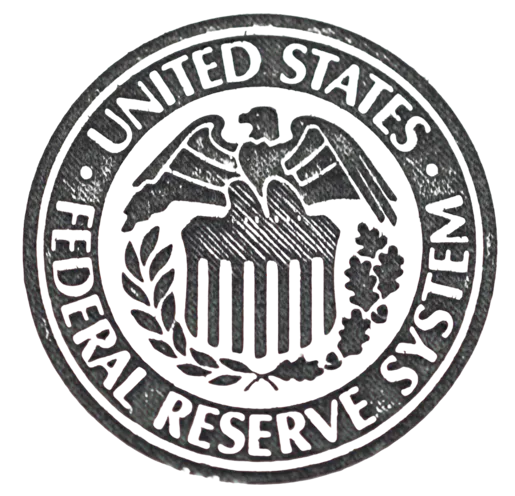
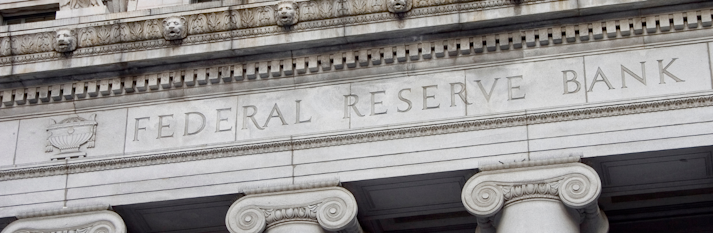
The Federal Reserve is the central bank of the United States.
It does not set the price of your groceries directly. What it controls is the price of money — specifically, how much it costs banks to borrow from each other overnight. That rate, called the federal funds rate, ripples through the entire economy.
The Fed is legally required to balance two goals:
- Keep inflation low and stable, ideally around 2% per year
- Keep employment as high as possible
Those two goals sometimes conflict. When the economy is overheating and inflation is high, the Fed raises rates to cool things down. When the economy is sluggish and unemployment is high, it cuts rates to encourage borrowing and spending.
It meets eight times a year to review these decisions. Every meeting makes headlines because every decision eventually reaches your wallet.
How a Rate Hike Reaches Your Wallet
When the Fed raises rates, banks pay more to borrow money. They pass that cost on to you.
The chain goes like this:
- Fed raises the federal funds rate
- Banks raise their prime rate
- Mortgage rates rise (How this affects your real return)
- Car loan rates rise
- Credit card rates rise
- Businesses borrow less and hire less
- Consumer spending slows
- Demand for goods drops
- Prices rise more slowly
That last step is the point. The whole mechanism is designed to reduce demand enough that prices stop climbing as fast.
Between March 2022 and July 2023, the Fed raised rates 11 consecutive times, from near zero to over 5%. It was the fastest rate hiking cycle in 40 years. Mortgage rates doubled. Monthly payments on new home loans jumped by hundreds of dollars. Credit card debt became significantly more expensive to carry.
See also: What high inflation did to purchasing power.
The medicine worked — inflation came down from over 9% to around 3%. But it cost ordinary people real money in the process.
What to Do When Rates Move
When rates are high — like 2023 and 2024 — cash is unusually rewarding. High yield savings accounts pay 4% to 5%. Money market funds are competitive. This is the time to make sure your cash is working. It is also not the time to take on new variable rate debt if you can avoid it.
When rates are low — like 2020 and 2021 — cash earns almost nothing. The pressure shifts toward investing. Low borrowing costs make fixed rate mortgages attractive if you’re in a position to buy. It’s also when refinancing existing high interest debt can save you money.
For most people, the practical answer is the same regardless of where rates are. Keep your emergency fund in a high yield savings account. Invest long term in index funds. Avoid high interest debt.
See also: Should you pay off debt or invest?
Rate cycles come and go. The fundamentals of good personal finance don’t change with them. The Fed will raise and cut rates many times over your investing lifetime. Your job is to stay consistent while it does.